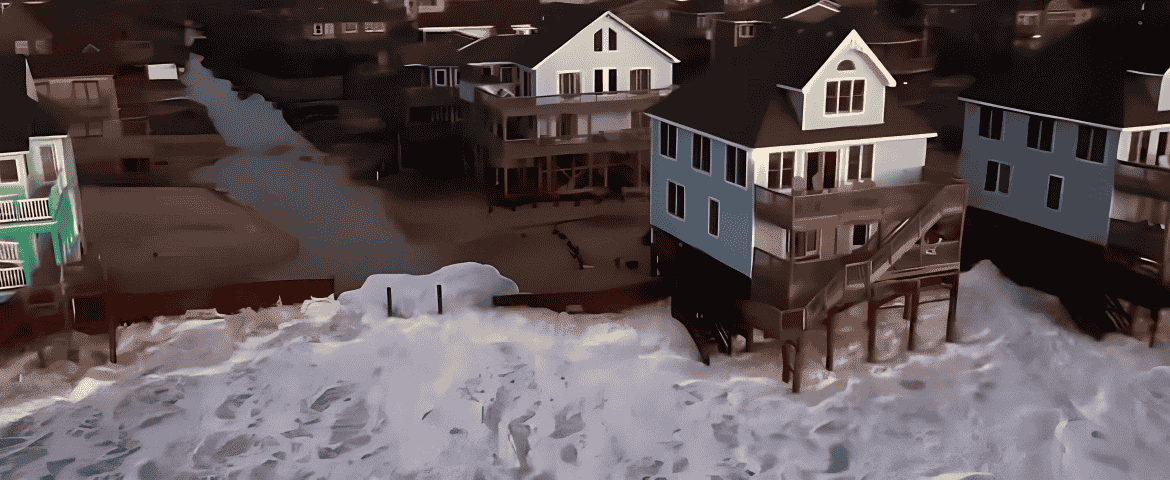
A Sudden Turn in the Atlantic
The Atlantic hurricane season has once again proven
unpredictable. Hurricane Erin US East Coast emergency update is dominating
headlines as millions of Americans brace themselves for impact. What began as a
moderate storm in the mid-Atlantic quickly intensified into a Category 3
hurricane, forcing authorities along the Eastern Seaboard to issue evacuation
orders, close down schools, and prepare emergency shelters.
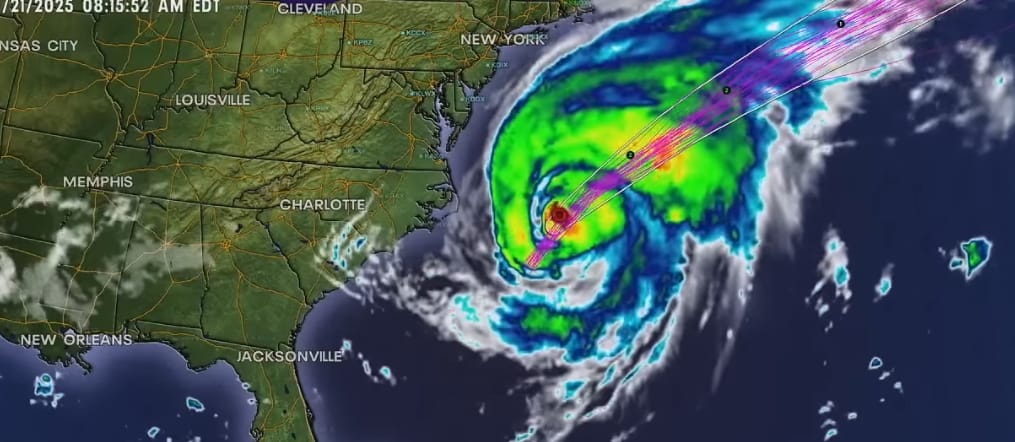
Meteorologists at the National Hurricane Center (NHC)
revealed that Erin picked up speed far faster than models predicted. Warm ocean
waters and strong winds fueled the storm, giving it the power to pose a direct
threat to coastal cities from Florida all the way to New York.
Emergency Declarations Across States
Governors in Florida, Georgia, North Carolina, and Virginia
have already declared states of emergency. Officials are urging people not to
underestimate the storm. This isn’t just another weather update—it’s a
developing humanitarian and economic challenge. In the words of North Carolina’s
governor:
> “If you’re in an evacuation zone, do not wait. Leave
now. Your safety is more important than property.”
The Hurricane Erin US East Coast emergency update has become
a top-trending search because families want real-time news, shelter information,
and travel guidance. Highways heading inland are already jammed with vehicles,
and gas stations are reporting shortages.
Airports and Transport Disrupted
Major airports like Miami International, Atlanta Hartsfield,
and Charlotte Douglas are canceling flights in preparation. Amtrak has
suspended train services along certain coastal routes. Trucking companies are
halting deliveries, fearing road closures.
The economic impact is already visible. Grocery stores in
South Carolina reported empty shelves within hours. Bottled water, batteries,
and canned foods are vanishing fast. For many residents, the Hurricane Erin USEast Coast emergency update is not just news—it’s an immediate reality changing
daily routines.
Power Outages Expected
Utility companies are on high alert. Crews have been
dispatched, but experts warn of large-scale blackouts once Erin makes landfall.
A single fallen tree can cut power for thousands, and coastal wind speeds are
predicted to reach 120 miles per hour.
Past hurricanes like Sandy and Florence taught painful
lessons. Communities without backup power struggled with medical emergencies,
communications breakdowns, and spoiled food. That’s why local governments are
repeatedly stressing preparation.
Hospitals and Emergency Shelters
Hospitals across the East Coast have activated disaster
protocols. Non-urgent surgeries are postponed, and backup generators are being
tested. COVID-19 protocols are also complicating shelter capacity, as distancing
must be maintained.
According to the Red Cross, over 400 emergency shelters are
ready, but more may open depending on the storm’s path. The Hurricane Erin US
East Coast emergency update includes real-time shelter maps so residents can
find safe places quickly.
Social Media and Communication Challenges
Social media has become a lifeline for millions. Hashtags
like #HurricaneErin and #EastCoastStorm are trending globally. People are
sharing evacuation experiences, traffic jams, and last-minute supply runs.
However, misinformation is also spreading. Fake maps and
rumors about fuel shortages are creating panic. Emergency management agencies
are asking citizens to rely only on official updates.
Climate Change Debate Rekindled
Every major storm now sparks a familiar debate: climate
change. Experts are pointing to rising sea levels and warmer ocean temperatures
as reasons why storms like Erin are becoming stronger and less predictable.
The Hurricane Erin US East Coast emergency update has
already been cited in climate discussions at the White House and in Congress.
Lawmakers are under pressure to strengthen infrastructure and increase funding
for disaster preparedness.
Evacuation Stories on the Ground
In Charleston, South Carolina, a mother of two shared her
story with reporters:
> “We left with just our clothes, some food, and
important documents. We don’t know if our house will be there when we come
back. But we’re alive, and that’s what matters.”
From elderly residents in Florida nursing homes to college
students in Virginia dorms, the Hurricane Erin US East Coast emergency update
reflects millions of personal stories of fear, resilience, and survival.
Financial Market Reactions
Wall Street is already reacting to the crisis. Insurance
company stocks are falling, while construction and home improvement companies
are rising in anticipation of post-storm demand. Oil prices are fluctuating as
Gulf refineries shut down operations.
Economists say the damage bill could run into tens of
billions of dollars, depending on Erin’s final path and strength.
Government and Federal Response
President Biden has pledged federal support, promising quick
FEMA deployment and disaster relief funds. The military is also on standby to
assist with rescue missions. Helicopters, boats, and high-water vehicles are
being moved into strategic positions.
The Hurricane Erin US East Coast emergency update is now a
test of coordination between federal, state, and local governments. Past
disasters showed that delays can cost lives. Officials say this time, they are
determined not to repeat mistakes.
Preparing for the Aftermath
Even before Erin makes landfall, communities are preparing
for recovery. Volunteers are organizing donation drives. Nonprofits are
requesting funds instead of physical goods, since logistics are difficult
during storms.
The emotional toll is already heavy. Families forced to
leave pets behind, businesses unsure if they will reopen, and students missing
school add layers of stress.
Conclusion
The Hurricane Erin US East Coast emergency update is more
than a weather story—it’s a human story. From emergency rooms to living rooms,
millions are watching and waiting. This storm will test resilience,
preparation, and unity.
If there’s one lesson from past hurricanes, it’s that
communities recover faster when they stand together. The days ahead will bring
challenges, but also countless acts of kindness and courage.