
U.S. heatwave emergency update August 2025
Case Aug 14, 2025
Today’s weather is not just hot, but record breaking hot. In
August 2025, a heatwave is going on in the U.S. that has brought many states
into emergency mode. According to meteorologists, this heatwave is the most
intense in the last 30 years. The effect of heat is not only on temperature,
but also on health, economy and daily life.
What is heatwave and why is it so dangerous?
Heatwave is such a long duration of heat in which the
temperature becomes much higher than normal, and the humidity is also high.
This affects the human body’s cooling system and increases the risk of
heatstroke, dehydration, and heart problems.
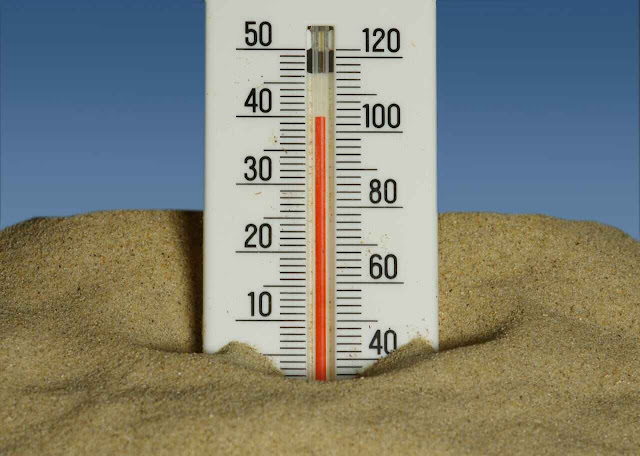
Currently, temperatures in multiple regions of the U.S. haveexceeded 110°F (43°C), which is extremely dangerous for both humans and animals.
Status of affected states
1. Texas –
Some cities in Texas have experienced temperatures as high
as 115°F. Officials in Houston, Dallas, and Austin have set up public cooler
facilities.
2. Arizona –
In Phoenix, temperatures have been above 110°F for 7 consecutive
days. Road asphalt is melting and an extreme load has been placed on the power
grid.
3. California –
There is unusual heat in the coastal areas of Los Angeles
and San Diego. Farmers are facing water shortages.
4. Nevada –
Tourism is being affected in Las Vegas as outdoor activities
have become almost impossible.
Response of Government and Emergency Services
The Federal Emergency Management Agency (FEMA) has issued
Heat Emergency Alerts in multiple states. The public has been advised to:
Avoid outdoor activities.
Use cooling centers.
Drink adequate water.
Take special care of senior citizens and children.
Hospitals have arranged extra beds in their emergency rooms
for heat-related cases.
Effects of Heatwave on Economy
Agriculture Loss –
Crops are burning, especially wheat and
corn fields.
Energy Consumption –
Electricity bills and demand are at record
levels due to excessive use of air conditioning.
Outdoor Jobs –
Construction and delivery services have come
to a temporary halt.
Health Risks and Prevention
Common Risks:
Heatstroke
Heat exhaustion
Dehydration
Sunburn
 |
| U.S. heatwave emergency update August 2025 |
Preventive Tips:
1. Drink 8-10 glasses of water daily.
2. Wear light-colored cotton clothes.
3. Avoid direct sunlight between 10 AM and 4 PM.
4. Postpone sports and heavy physical work.
Role of Climate Change
Experts say that such extreme heatwaves have a direct connection
with climate change. The release of greenhouse gases and deforestation have
made temperature trends unstable. If immediate action is not taken, more
dangerous heat events will occur in the future.
Social Media and Public Reaction
#USHeatwave2025 is trending on Twitter (X), Instagram andTikTok. Videos of the intense heat in their city are being shared. Some people
are using sarcasm with captions like “Welcome to the Sun”, while
others are posting serious warnings.
Next 7 Day Forecast
According to the National Weather Service, some states will
get some relief next week, but heat will persist in southern and western
states.
Texas: 109°F – 112°F
Arizona: 110°F – 114°F
Nevada: 108°F – 111°F
California: 95°F – 102°F
What should I do? – Quick Checklist
Try to stay indoors.
Provide water and shade to pets.
Check the wellbeing of neighbors, especially the elderly.
End
This August 2025 heatwave in the U.S. is giving us a clear
signal that climate change is not just a theory, but a ground reality. Every
citizen should take care of their safety, and governments will have to take
environmental protection policies seriously.
Summary – U.S. Heatwave Emergency August 2025
A dangerous heat wave has engulfed parts of the US in August2025, bringing record-breaking temperatures. According to weather experts,
mercury has risen above 110°F in many southern and western states, posing a
major public health challenge. The most severe effects have been seen in Texas,
Nevada, Arizona, California and Florida, where the most intense heat of the
winter is being reported.
Local health departments have strictly advised people to
avoid going outside during peak hours of the day, drink plenty of water, and
use cooling spots to avoid heatstroke. Patients in emergency rooms are feeling
uneasy due to the heat, so hospitals have called in extra staff.
The heat has also put a strain on power supply systems. Some
cities are facing power outages, but air conditioners and cooling systems are
being used more. In order to stop the electrical grid from becoming
overburdened, officials have urged individuals to save electricity.
Farming and livestock sectors are also getting affected by
this heat. The need for water for crops has increased, and some areas are
facing water shortages.
FEMA has declared this situation a “climate
emergency” and activated relief teams. According to experts, this heatwave
could maintain its intensity for the next few days, which is a positive
evidence of the long-term impact of climate change.