 |
| Sanctuary city resists Trump federal deployment news |
Headline : Chicago, August 31, 2025 Sanctuary city resists Trump federal deployment news 2025
Let’s just say it: Chicago’s not messing around. The city’s
basically looked the feds dead in the eye and said, “Not on our watch.” You can
almost hear Rahm Emanuel’s ghost somewhere, cackling with pride. The local
government is making it crystal clear—no federal boots stomping around here,
not if they can help it. And honestly, in a year when everyone’s nerves are
already frayed, this kind of defiance is… well, it’s very Chicago.
So, what’s behind all this hype about “Sanctuary cityresists Trump federal deployment”? It’s not just a catchy headline. There’s
history, there’s politics, there’s a whole lot of real people feeling pretty
tense about what happens next. Let’s break it down—and yeah, let’s go deeper
than the surface.
The Backstory: Chicago vs. The Feds (Again)
Here’s the thing: Chicago’s always been a bit of a rebel
with a cause. Sanctuary city status isn’t just some label politicians slap on
for votes. It’s about protecting people who feel like they can’t trust the
government—especially immigrants, but honestly, anyone who’s ever had reason to
keep their head down.
Now, fast forward to 2025—Trump’s back in the headlines, and
his administration’s making noises about sending federal law enforcement into
cities they think are too soft on crime. For Chicago, that’s a bright red flag.
City officials are all, “Let’s not go back to 2020-style secret police vans,
thanks.” The goal? Keep trust intact between people and local cops, and don’t
let the feds wreck that delicate balance.
But it’s not just about pride or stubbornness. It’s about
local government actually… governing. Crazy, right?
How’s Chicago Fighting Back? Not Just Lip Service
1. Police & Local Enforcement
This isn’t just a memo sent around the office. Cops are told
directly—don’t cooperate with federal agents if it means breaking city policy
or undermining people’s rights. That’s a big deal. You can bet there’s some
heated conversations happening down at the station.
2. Community Engagement (Not Just a Buzzword)
We’ve all seen those “public meetings” where nothing gets
done. Chicago’s pushing for the real deal: town halls, Q&A sessions,
letting people from every neighborhood—Pilsen, Englewood, Uptown—air their
fears, hopes, maybe a little rage. If you think politicians are tuning out, you
haven’t met a Chicagoan with a bone to pick.
3. Transparency & Accountability (For Real)
No more secret backroom deals (or at least, that’s the
promise). There’s an independent committee checking receipts, so to speak.
Every time the feds try something, every time the city pushes back, it’s going
on record. If something goes sideways, there’s a paper trail, and you better
believe the local press will tear into it.
4. Legal Firepower
The city’s legal team is basically on DEFCON 2, prepped for
lawsuits or whatever courtroom drama unfolds. Chicago’s not just talking
tough—they’re ready to duke it out in court, if that’s what it takes.
By the Numbers: Why the Stakes Are So High
Let’s not gloss over it—Chicago’s huge. Almost three million
people, 12,000 cops, and over 3,500 complaints in just five years about law
enforcement being, uh, “overzealous.” And crime? Up 7% just since January. So,
yeah, tensions are running high. It’s not just political chess; for a lot of
people, it’s literally life and death.
That’s why sanctuary city policies matter. It’s about making
sure people aren’t afraid to call 911, about making sure cops aren’t seen as
the enemy, and about keeping the city from turning into some kind of dystopian
police state.
What’s the Word on the Street?
Go anywhere in Chicago—grab a coffee on the North Side or a
late-night taco in Pilsen—and you’ll hear opinions. Maria in Pilsen is all in:
“This is about protecting us. Just don’t mess it up with lies or cover-ups.”
James from the South Side wants some wiggle room for emergencies, but he’s not
against it. And Aisha downtown? She’s loving the pushback, plain and simple.
People aren’t naïve. Most folks know there’s no magic fix,
but they’d rather see the city stand its ground than roll over. There’s a
gritty optimism here, like Chicagoans are daring the feds to try something.
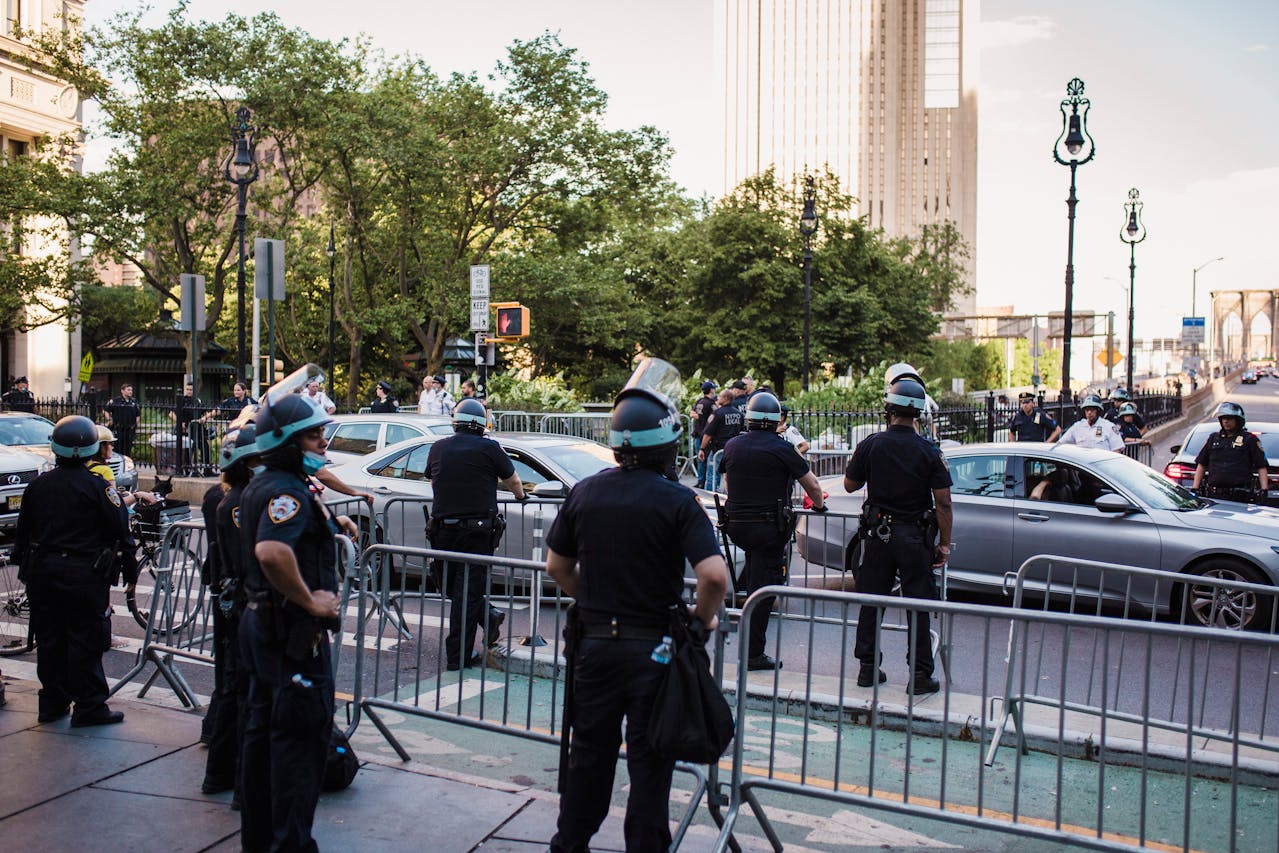 |
| Sanctuary city resists Trump federal deployment news |
Politics: This Ain’t Just Local News
Let’s be real, none of this is happening in a vacuum. When
Professor Daniel Reed from U of I says this is “strategic,” he means it.
Chicago’s not just protecting itself—it’s sending a message to every other city
and, honestly, to D.C. itself. If Chicago can pull this off, maybe L.A. or New
York gets bolder. Maybe the whole idea of what a sanctuary city can do gets a
reboot.
And don’t think for a second that the rest of the country
isn’t watching. This is the kind of political theater that gets people fired
up—on both sides.
How Does Chicago Stack Up Against Other Cities?
Look, New York’s got swagger, but they’re not going this
hard. The NYPD’s got some restrictions, but nothing like the full-court press
you’re seeing in Chicago. L.A.? They’re sort of halfway in, halfway out
(classic L.A.). Houston? They’re still arguing about mask mandates, for crying
out loud.
Chicago’s approach is basically, “If you want it, come and
get it.” They’re building a legal and political fortress, and making a show of
it.
What Could Go Wrong? (Spoiler: Plenty)
1. Police Union Blowback
Cops are worried. Not all of them are happy about being
stuck in the middle. There’s real fear about losing backup or getting caught
between city hall and the feds.
2. Federal Retaliation
Let’s not pretend Trump’s crew will just shrug and move on.
There could be threats to funding, lawsuits, or just flat-out escalation. This
could get ugly.
3. Keeping the Public On Board
Chicagoans are famously outspoken. If the city starts
looking shady or if things get violent, public support could evaporate fast.
There’s a tightrope to walk.
The Crystal Ball: What’s Next?
If Chicago pulls this off, it could be a game-changer.
Imagine a city where people actually trust the police (hey, it could happen),
where the feds don’t just swoop in and take over, and where city government
actually listens to its people. Wild, right?
But it’s not just about winning a standoff. It’s about
setting a precedent. If Chicago can do it, maybe other cities find their
backbone too. Maybe the whole conversation around sanctuary cities shifts from
“Are they legal?” to “How can we make this work for everyone?”
Final Thoughts
This isn’t just another political spat. Chicago’s putting it
all on the line—its reputation, its resources, maybe even its budget. If this
works, it’s a blueprint for the whole country. If it fails… well, let’s just
say, nobody will forget the showdown.
Either way, Chicago’s making history. And honestly? Would
you expect anything less?