 |
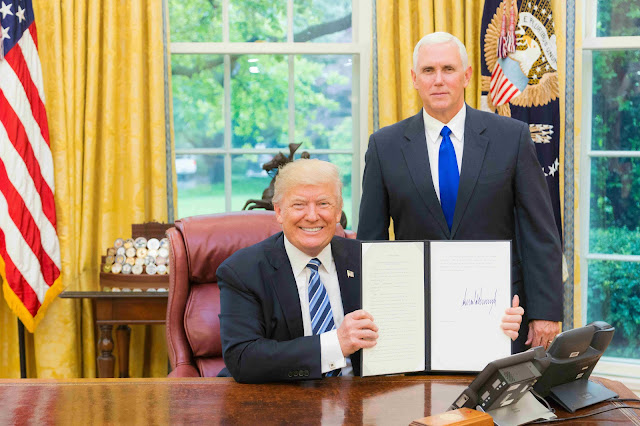
| Trump’s 2025 tariffs reveal hidden trade secrets. |
(Opening Hook) Trump tariffs 2025 update secrets big update Aug 9, 2025
political stunt? Wrong! This economic bomb of 2025 is shaking the economic
agenda of not just America, but the entire world. And this time the target is
not just China or Russia—but everyone who comes in the way of the U.S.
1. Scope and Global Coverage of Reciprocal Tariffs
From the very beginning of Donald Trump’s second presidential term, he made trade the central weapon of foreign policy. On April
2, 2025, he signed an executive order under IEEPA (International Emergency
Economic Powers Act) which wrote that if any country were to impose a tariff on
the U.S. But if the US imposes trade barriers, the US will respond at the same
level.
From January to April, the average U.S. tariff rate rose
from 2.5% to over 27%—the biggest jump in the last 100 years. By August, the
rate was around 18.3%, but it rose to 25%–50% on steel, aluminum, copper and
car imports.
The move was not just an economic but also a political
signal that the US would protect its domestic industries even if there was a
global backlash.
2. 100% Tariff on Semiconductors (Chips)
Semiconductors are the backbone of the modern
economy—smartphones, laptops, electric cars, AI servers—everything depends on
them. Trump announced a 100% tariff on imported chips in August 2025, but
companies that set up factories inside the U.S. would be exempt.
Apple announced a foreign $100 billion U.S. manufacturing
investment, which earned a tariff exemption and sent its stock price up 3.2%.
Companies like Nvidia and AMD were already expanding production in the U.S., so
they faced limited impact.
This policy will create domestic semiconductor jobs, but in
the short term, it could drive up electronics prices, which will be expensive
for the average consumer.
3. 50% tariff on Indian imports
Trump is now closely monitoring India, which is the biggest
consumer of Russian oil worldwide. India’s U.S. imports were subject to an
extra 25% tariff on August 6, 2025, raising the overall rate to 50%.
Trump claimed that since oil purchases from Russia
indirectly support Russia’s war machine, it is critical to prevent such
purchases. India says it’s unjustified and against energy security.
Economists estimate that if these tariffs continue for a
long time, India’s GDP growth could fall by 0.4%–0.8%, exports could slow down,
the rupee could weaken, and FDI flow would decrease.
.jpg "Trump tariffs 2025 update secrets") |
| Trump’s 2025 tariffs reveal hidden trade secrets. |
4. Brazil and Diplomatic Crisis
50% tariffs were also imposed on Brazil, on which Brazil
filed a complaint in the WTO and decided to impose retaliatory tariffs on its
U.S. imports. This started a diplomatic crisis between the two countries, which
is also creating tension within the BRICS group.
Brazil’s coffee, soybean, and meat exports account for 100%
of total US exports.These are important for the US, so if the retaliation drags
on, the global food supply chain could also be disrupted.
5. China’s Defense of Russian Oil
China openly rejected Trump’s demand to stop importing
Russian and Iranian oil. The Chinese Foreign Ministry said these imports are
“legitimate” and are part of their energy sovereignty.
China’s stand was also that the U.S. unilateral tariffs are
against WTO rules, and Beijing will fight for its economic interests on every
forum.
This move brought U.S.–China trade talks into another
stalemate, but small-scale negotiations on technology and agriculture trade are
still going on.
6. Swiss Gold Tariffs – A Surprise Move
Switzerland is the global hub of gold refining. Trump
suddenly announced tariffs on Swiss gold imports, causing short-term volatility
in the global gold market.
Gold prices went up 3% in a day. Swiss refiners will now
have to look to alternative markets, such as the Middle East and Asia, but
losing the U.S. market is a big challenge for them.
7. U.S. Impact on Domestic Economy
According to Trump supporters, the immediate effect of
tariffs is seen in domestic manufacturing jobs and local investment. According
to Yale Budget Lab, the effective tariff rate is now 20.6%—the highest since
1910.
But critics say consumer prices are rising, the housing
market is already slow, and there are signs of a hiring freeze. If inflation is
not controlled, a political backlash could come before the 2026 elections.
8. Future Predictions
Experts say if this series of tariffs continues, global
supply chains will reshuffle.
Short Term:
Domestic manufacturing will get a boost, but
prices will rise.
Long Term:
Multinational companies will diversify their
supply chains so that a country’s policy cannot stop their operations.
Geopolitical:
Trade wars will redefine political alliances.
If BRICS countries strengthen trade agreements among
themselves
If so, this could become a new economic block for the West.
Closing Hook
The only question now is whether these tariffs will take
America to the top again—or will they throw the entire global trade system into
such turmoil that it will be difficult to recover from it? Time will answer
this question, but for now, the entire Tijarati scene has become a chessboard
where every move will be made after careful consideration.